In today’s digital age, social media has become an integral part of daily life for many, including students of all ages. As a result, parents and guardians are growing increasingly concerned about the potential impact of social media on children’s academic performance. In this article, MKT Software will dive into the effect of social media on academic performance and explore the relationship between the two.
The current state of social media usage among students
The rise of smartphones and internet access has made social media platforms an essential part of students’ social and academic lives. Many studies revealed that over 90% of students use social media daily, with a large percentage confessed to spending several hours per day or even constantly engaging on these platforms.
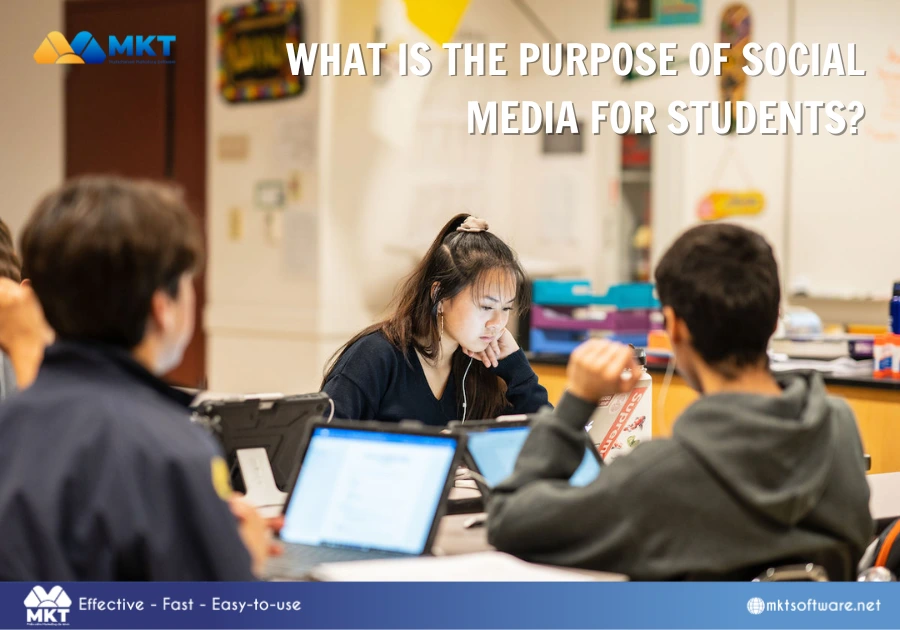
What is the purpose of social media for students?
While social media platforms are primarily used for communication and entertainment, they are also increasingly being used for educational purposes, especially when it comes to students.Generally, there are 3 main reasons behind students’ usage of social media:
Social media for networking: Social media helps students stay connected with peers and teachers, as well as allow them to join professional online networks.
Social media for education: Social media is one of the best resources for learning and sharing knowledge due to how accessible it is.
Social media for entertainment: Social media also serves as a major source of entertainment, with platforms like YouTube for video streaming and social platforms like X for connecting and engaging with others.
Overall, it is clear that social media serves a wide variety of functions for students, greatly benefiting them in both social and academic lives. However, the relationship between social media and academic performance can still vary, depending on factors such as usage patterns, content type, and how effectively students balance their online time.What is the purpose of social media for students?
The positive effect of social media on academic performance
Despite parental concerns, many researchers have found out that the majority of students are utilizing social media to benefit their academic performance. This doesn’t mean that there are no negative effects; however, when used mindfully, the positives of social media often outweigh the drawbacks.Some of these benefits include:
Easy access to educational materials
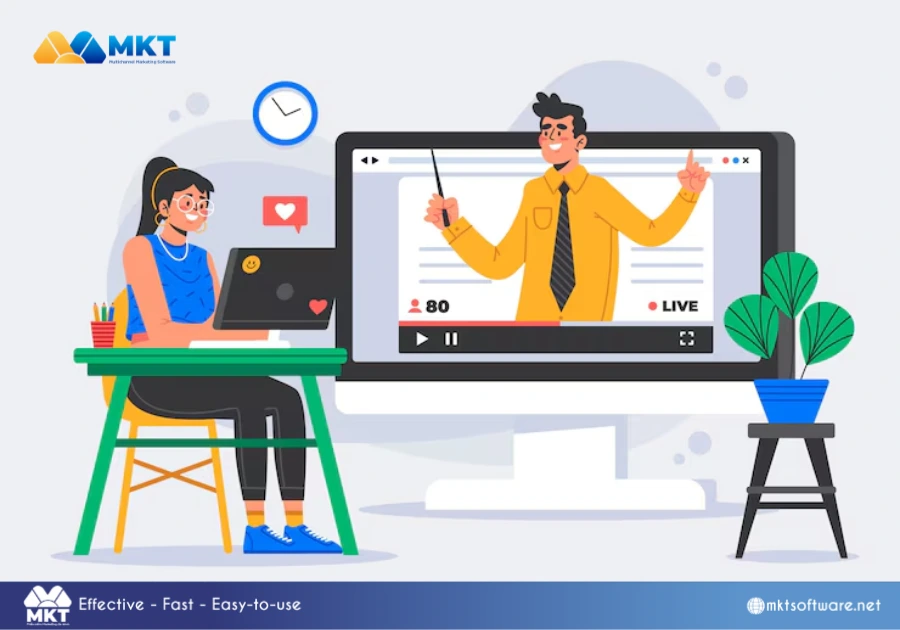
Many students use social media to follow educational influencers, organizations, and institutions, with platforms like YouTube providing free access to easy-to-understand tutorials and online courses, helping students to deepen their knowledge in various subjects.Effect of social media on academic performance – Educational purposes
Provide space for discussion and networking
Social media also facilitates collaboration among students and creates networking opportunities. Platforms like Facebook can enable students to connect with classmates, share study materials, and discuss academic topics, while ones like LinkedIn can familiarize them with real industry leaders and professionals to gain insights and career advice.
Staying informed about latest industry news
Due to how many social media platforms utilize an algorithm-based content distribution strategy, it is very easy for students to stay up-to-date with the latest academic trends, research, and industry developments.Platforms like X or LinkedIn or even Reddit are excellent options for following researchers and industry experts, and gaining quick access to new articles, academic papers, and conference details.Read more about LinkedIn here: How does LinkedIn algorithm work? 2026 UpdateEffect of social media on academic performance – Industry news
The negative impact of social media on academic performance
While in many cases the benefits often outweigh the negatives of social media, it is still important to learn about them in order to understand how crucial it is to maintain a healthy balance.Below are some negative effect of social media on academic performance:
Easy distraction
One of the biggest concerns with social media is how easily it can distract students from their academic work. With how many platforms are designed to keep students engaged and entertained, students can easily find themselves mindlessly scrolling through TikTok feeds for hours on end when they should be studying for an exam.
Lowered productivity
The direct result of being easily distracted can reflect in students’ grades and school performance. Because they are constantly switching back and forth between social media apps and studying, students’ concentration suffers immensely, making it harder for them to absorb and retain information.Many studies have discovered that over 50% of students who multitask with social media reported a direct impact on their performance, and 66% admitted to feeling more drawn to social media over studying.Effect of social media on academic performance – Lowered productivity
Health issues
Health issues start appearing when it is linked to social media addiction. Many students reported they start staying up later, with the main reason being social media.Overuse of social media is also linked to mental health issues such as stress or anxiety, all of which can negatively affect academic performance. Constant comparison to peers, cyberbullying, and negative feedback can lower students’ self-esteem, leading to emotional distress that affects their motivation and focus.
Procrastination
With the rise of short-form content in recent years, the issue of shortened attention spans among students has also increased significantly. Social media, offering instant gratification and constant stimulation, can cause students to procrastinate on assignments or studying in favor of checking their feeds, leading to missed deadlines and last-minute cramming.
How to balance social media and academics
While social media can indeed present challenges to academic performance, it remains a highly useful learning resource that shouldn’t be neglected. As such, it is important for students to take proactive steps to strike a healthy balance between their social media use and academic responsibilities. Below are some tips to help them achieve this:
Set clear time limits: To prevent social media from becoming a distraction, students should set specific time limits for social media use.
Create a strict study schedule: Setting aside dedicated blocks of time for studying, along with short breaks for social media, can help students stay focused.
Seek support and advice: Talking to a mentor or academic advisors can help students to know how to stay motivated and manage digital habits properly.
How to balance social media and academics
Making social media works for you
Social media is an integral part of students’ lives, and its impact on academic performance can be both positive and negative. By using social media strategically, students can leverage it to enhance their academic experience while maintaining a balance that ensures successVisit our YouTube channel if you’re interested in learning more about the digital marketing industry.